Understanding the split between DIY and professional help
Many small roof concerns can be handled by a careful homeowner, but some issues require a roofer. Across Tennessee, our crews in every Tennessee metro see a lot of for-home fixes that look simple but can hide bigger problems. The key is recognizing limits and knowing when to call a pro.
A good rule of thumb is: if you can safely access the area from ground level or a stable ladder, and the fix is cosmetic or involves minor sealant, you might handle it yourself. If you need to climb on the roof, work near edges, or deal with structural elements, call a roofer. The same applies if you find signs of moisture, damaged decking, or failed flashing.
Common DIY tasks to skip for safety and quality
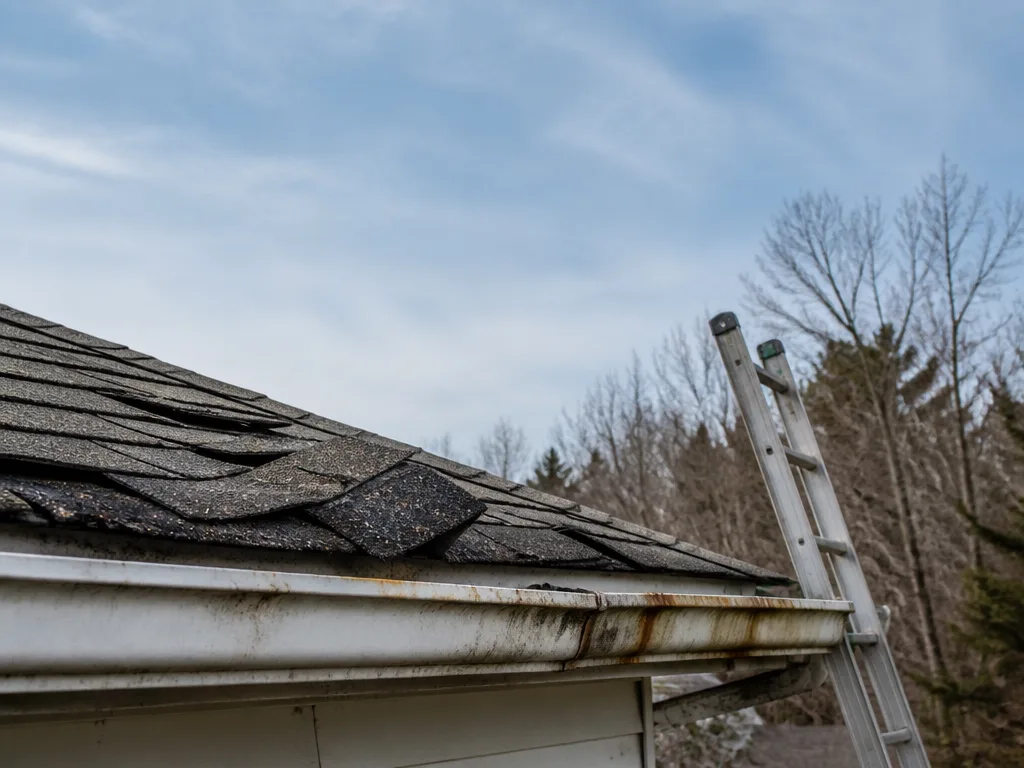
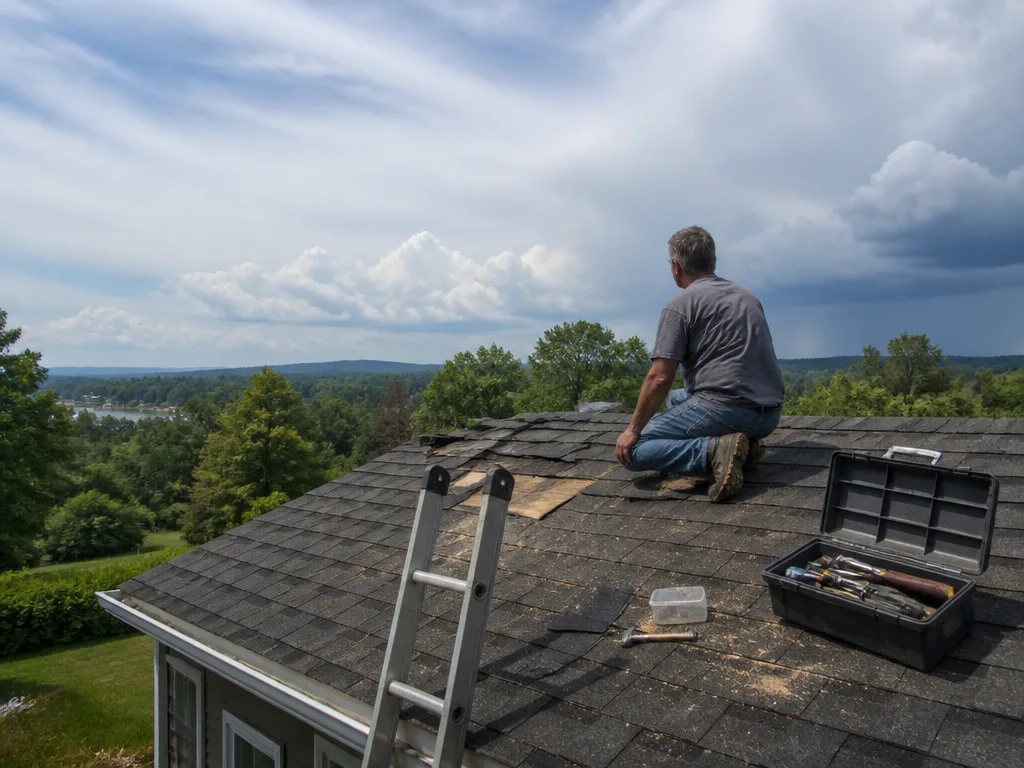
Don’t try to replace shingles from the roof yourself unless you have roofing experience and proper safety gear. A single misstep can cause personal injury or further roof damage. Don’t seal flashing or patches with household sealants without understanding the roof’s materials and the wind load. And avoid lifting heavy roof components by yourself. A small mistake can lead to leaks and higher costs later.
When a pro should take over
When you notice recurring leaks, soggy decking, missing flashing, or sagging areas, bring in a roofer. Tennessee Gutter Inspection can provide an objective assessment across Tennessee, explain the best repair approach, and scope the work with clear pricing. A pro can also identify existing problems that DIY fixes might miss, such as attic ventilation issues or hidden structural damage.
What you should expect from a pro visit
A typical pro visit includes a thorough surface inspection, safety checks for the roof access points and ventilation, and an assessment of the attic. The roofer will outline required repairs, potential maintenance plans, and a realistic timeline. There’s no hype, just a straightforward plan tailored to your home in Tennessee.
Checklist you can use with a pro
- Describe recent weather events and any leaks you’ve seen.
- Note attic condensation or musty smells.
- Ask about ventilation and underlayment conditions.
- Get a written scope of work and estimated costs.